







Search Results for: drinking coffee in huge amounts
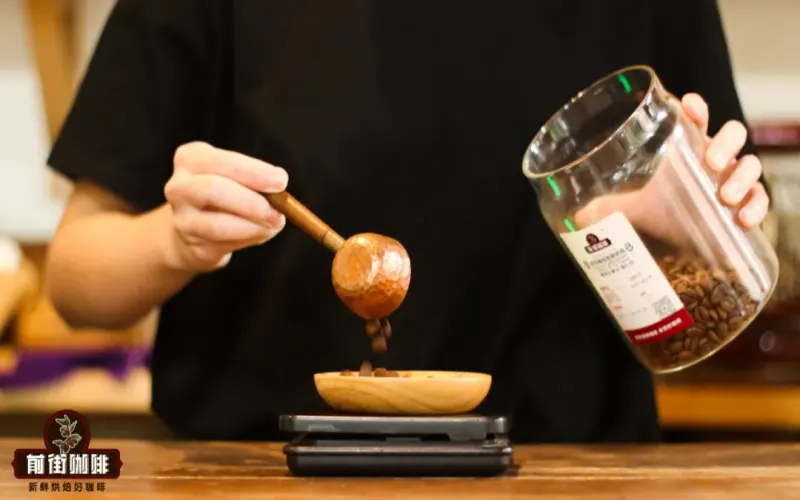
Do pour-over and espresso need a scale? Analyzing the necessity of precise weighing from dose to yield
Many coffee enthusiasts wonder when they see baristas using electronic scales in cafés: does making a cup of coffee really require such fuss? Couldn't you, like an experienced chef, just eyeball it or use a measuring spoon or cup and still brew good coffee? An electronic scale is indeed not an absolute necessity for making coffee, but eyeballing and measuring spoons have obvious inconsistencies. This article, based on actual tests at Front Street Coffee, first uses measuring spoons as an example to reveal that dark-roasted and light-roasted beans can differ by several grams in weight at the same volume, then explains the huge impact of dose deviation on concentration and flavor; next, using espresso as an example, it explains why cup markings cannot accurately reflect liquid weight. The article ultimately suggests that if you want consistent output or to study parameters, an electronic scale remains a trustworthy tool. [more…]
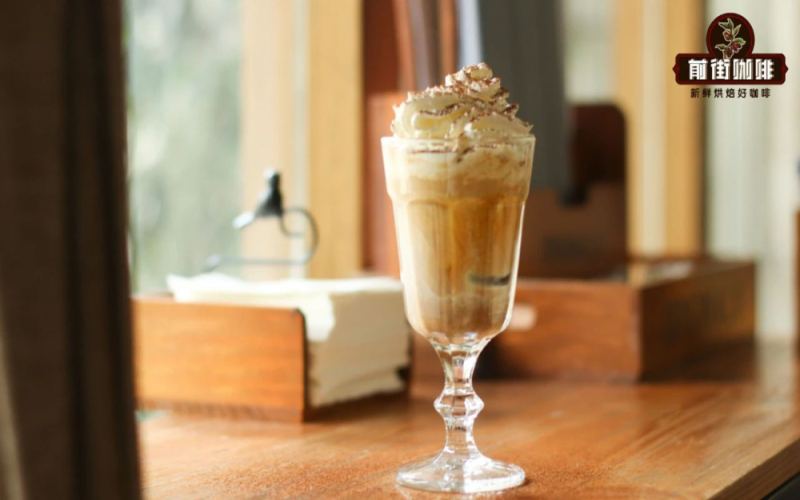
Starbucks Coffee Full Analysis: From Espresso Base to Cold Brew, A Detailed Guide to the Taste and Preparation of Classic Drinks Like Americano and Latte
Starbucks coffee is where many people first encounter specialty coffee in their daily lives, but do you really understand the product logic behind it? This time, Front Street Coffee takes you through a systematic overview of Starbucks coffee types and their flavor characteristics. Most Starbucks products are based on espresso, and by combining it with different ingredients such as water, milk, milk foam, and syrup, they give rise to classics like the Americano, Latte, Cappuccino, Flat White, Mocha, and Caramel Macchiato. In addition, the cold brew coffee that has become hugely popular in the past two years is also worth paying attention to. This article will introduce the recipe composition and taste differences of these coffees one by one, and include the specific brewing parameters for Front Street Iced Americano, to help you find the cup that best suits your taste. [more…]

Major adjustment to Starbucks Rewards points rules: the number of stars needed to redeem a free coffee will increase.
Starbucks plans to make major adjustments to its Starbucks Rewards membership program in February 2023, with the redemption thresholds for most items set to rise, while only a few iced drinks will require fewer stars. This change has sparked widespread discussion among consumers, while Starbucks says the move is intended to maintain the long-term sustainability of the Rewards program. As one of the most successful membership programs in the world, Starbucks Rewards has a huge and active user base, and changes to its points rules touch the nerves of many coffee lovers. This article will sort out the details of the adjustment, member reactions, and the brand's official response, and review the program's development history and recent innovative attempts. [more…]

Should Cafés Stop Selling Espresso? Starting from Cost and Customer Perception
In Italian dining culture, Espresso is a daily necessity, but in domestic coffee shops, it is often the lowest-priced and least-ordered drink on the menu. A rural café owner recently published a post asking "should Espresso be removed from the menu," citing the huge gap between production cost and actual experience. This article focuses on this topic, combining customer feedback, operator dilemmas, and industry advice to explore the awkward positioning of espresso in domestic cafés, as well as how brands like Front Street Coffee understand espresso products. [more…]

On its seventh anniversary, Chagee's cup-clinking card-collecting event is said to be riddled with bugs—users pulled a bizarre trick, scanning their feet to actually pass the level.
For its seventh anniversary, Chagee launched the "Good Friends Always Together" campaign, giving away 700,000 free cups over seven consecutive days, along with features like a clink-cups card-collecting game for a chance to win free drinks for a whole year. The campaign stayed high in popularity with huge participation, but it was followed by a string of technical problems: black screens when scanning the page, AI recognition failures, abnormal consumption of attempts, and more, triggering a flood of complaints. Surprisingly, netizens discovered that scanning feet, tissues, books, or even trash cans could be judged by the AI as a successful cup clink. Faced with the backlash, the official response was only that it "adds fun," while dodging questions about the loopholes. [more…]

Coffee capacities keep breaking records: from 1L mega jugs to 1500ml basin-sized iced Americanos—are they a life-saving elixir for office workers or a health hazard?
In recent years, coffee culture has rapidly gained popularity in China, and iced Americano has become a daily necessity for countless office workers. From the initial 300ml standard cup, to the 1L "ton-ton bucket," and now to a 1500ml basin-sized iced Americano recently launched by a coffee shop in Shanghai, coffee capacity keeps pushing the limits of imagination. Large-capacity iced coffee from South Korea once made Chinese consumers envious, and now domestic brands have joined the super-sized cup trend one after another: Seesaw launched a 1.5L shareable takeaway pack, and the Korean brand onlyprice has even introduced a 2.1L coffee liquid. These super-sized coffees have quickly gone viral thanks to their visual impact and high cost-performance ratio, and have been jokingly called by netizens the life-extending elixir for office workers. However, many people are also worried about the health effects of excessive consumption, with issues such as heart palpitations and insomnia sparking discussion. This article will walk you through the phenomenon and controversy behind this coffee capacity race. [more…]
Comparison of Two Dilution Methods for Iced Pour-Over Coffee: Flavor Differences and Key Operational Points Between Diluting with Ice and Diluting Over Ice
On a scorching summer day, iced coffee naturally becomes a hot topic of discussion among coffee lovers. Some coffee enthusiasts have raised the question: for iced pour-over coffee, is it better to simply add ice to dilute it, or to let the coffee liquid flow over ice to dilute it? To this end, Front Street specially carried out a round of comparative experiments, selecting Costa Rican巨石 Estate coffee beans and using the same brewing parameters to prepare an add-ice group and an ice-flow group separately, conducting a comprehensive comparison from flavor performance and mouthfeel layers to operational stability. This article will break down in detail the principles, operating procedures, and experimental results of the two dilution methods, helping you make iced pour-over coffee at home that suits your own taste. [more…]
What Are the Differences Between Arabica and Robusta? A Comprehensive Comparison from Botanical Characteristics to Flavor in the Cup
Coffee belongs to the Rubiaceae family, but the two varieties we actually drink in daily life are mainly Arabica and Robusta. Have you ever noticed that coffee shops often advertise "100% Arabica"—what exactly does that mean? The two differ significantly in growing conditions, bean shape and appearance, caffeine content, lipids and sugars, pollination method, and resistance to pests and diseases, ultimately producing completely different flavors in the cup. This article will systematically sort out the characteristics of Arabica and Robusta, and use specific beans such as Front Street Coffee Costa Rica Blueberry and Guatemala Flower of God as examples to demonstrate pour-over parameters and flavor performance, helping coffee lovers more clearly understand the influence of variety and origin on taste. [more…]

How Do Roast Level and Grind Size Shape Cold Brew Flavor? A Front Street Coffee Cold Brew Bean Buying Guide
The flavor profile of a cup of cold brew coffee often depends on multiple variables—from the origin of the green beans and the processing method, to the roast level and grind size, each link silently influences the final taste direction. The roast level determines the degree of caramelization of sugars in the coffee beans, which in turn brings a huge difference from bright floral and fruity acidity to rich bitter-sweetness; the grind size is directly related to extraction efficiency, with coarse grinds suitable for long low-temperature immersion cold brew, and fine grinds more suited to high-pressure quick-extraction espresso. So, exactly which should you choose—light roast, medium roast, or dark roast beans for making cold brew? Front Street Coffee combines representative bean varieties of different roast levels, analyzes their flavor characteristics one by one in the cold brew scenario, and gives specific recommendations to help you find the cup that best suits your taste. [more…]

Long Black Coffee|What is Australian Black Coffee? How Does It Differ from Americano? Introduction to the Standard Method of Making Long Black Coffee
Americano is arguably a world-renowned coffee drink familiar to everyone. Its composition is also very simple: espresso diluted with an appropriate amount of water. In Australia, there is also a local specialty coffee called "Long Black," which is likewise made from espresso and water. In Australia [more…]
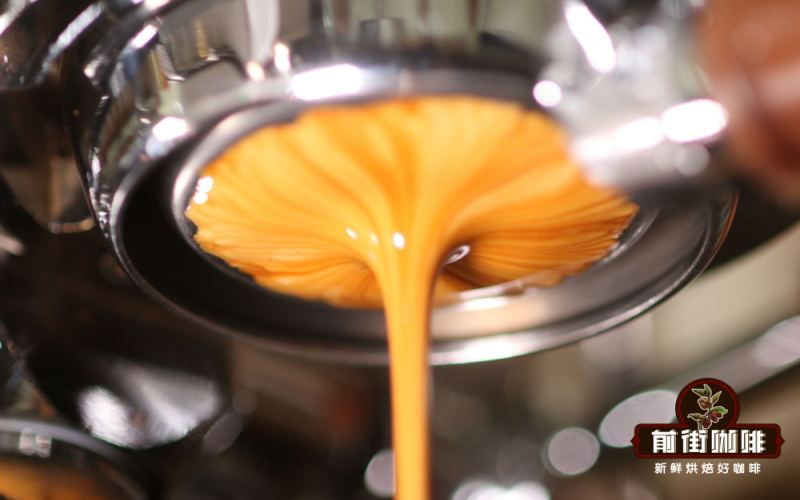
Coffee Beans Recommended for Latte Art | What Are the Characteristics of Espresso Beans with Rich Crema? What Factors Affect Coffee Crema?
Some people drink espresso for the flavor, while others drink it for the mouthfeel. For those who love flavor, there are all kinds of SOE coffee beans to choose from—so what coffee bean options are there for those who enjoy a rich, intense mouthfeel? The signature characteristic of espresso—crema Espresso at its most fascinating [more…]

The Same Espresso with Milk: The Essential Differences Between a Dirty and an Iced Latte in Concept, Method, and Taste
Many people, upon first seeing a Dirty and an iced latte, feel that these two drinks are almost identical—both are espresso with milk, and both can present beautiful layers. But upon deeper understanding, you'll find that they walk completely different paths, from their founding concepts to production details, and then to the drinking experience. The original intention of a latte is to dilute espresso with milk, making it more acceptable to more people; Dirty does the opposite, hoping that the espresso maintains its independent character and forms a sharp contrast with the milk. In this article, Front Street Coffee will dissect the fundamental differences between these two drinks one by one from four dimensions: historical origins, production parameters, appearance, and tasting experience, helping you distinguish their respective characteristics. [more…]
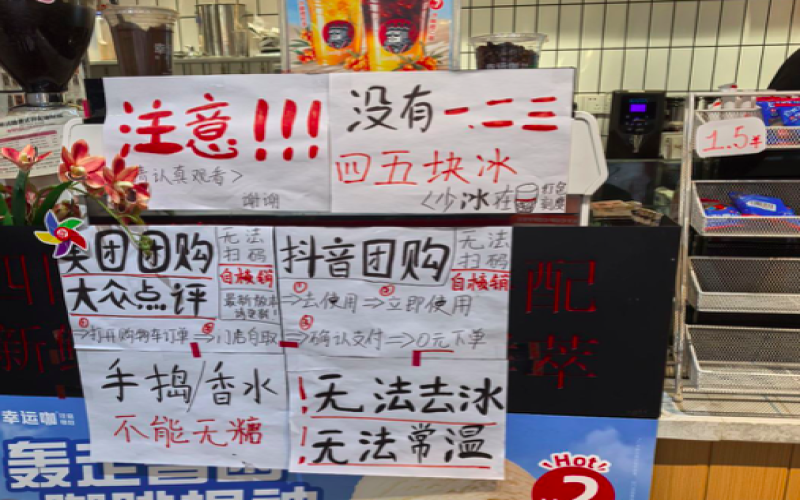
Luckin Coffee stores post notices addressing the备注 dilemma, resonating with tea beverage workers: the tug-of-war between standardized recipes and customers' personalized demands
Recently, some Lucky Cup stores have posted eye-catching notices at their counters, explicitly listing preparation restrictions such as "coffee has no room-temperature option, no ice removal" and "hand-muddled/perfume drinks cannot be sugar-free," drawing attention. In fact, similar friendly reminders appear at stores of multiple chain beverage brands, and staff members candidly admit: flexibly adjusting ice levels does not necessarily earn praise, but violating operating rules may lead to penalties. At the same time, some consumers give negative reviews due to changes in drink taste, putting frontline employees in a dilemma. This tug-of-war over formula standardization and personalized demands reflects the deep-seated contradiction in the chain beverage industry between unified output and accommodating consumer experience. [more…]
Pour-Over Coffee Water Guide: How Water pH and Minerals Affect Extraction Flavor
Over 98% of a cup of drip coffee is water, and water quality affects the final flavor second only to the coffee beans themselves. From the perspective of Front Street, this article systematically sorts out the pH range of brewing water, the roles of calcium and magnesium ions and bicarbonate, and verifies through comparative experiments the flavor differences when using purified water, mountain spring water, and mineral water to extract the same beans. It also answers whether tap water is suitable for brewing coffee and provides practical reference for choosing water in daily life, helping coffee lovers find a more stable brewing water solution. [more…]
A Complete Guide to the Espresso Coffee Family: From the Espresso Trio to Milk-Based Specialty Drinks
During the dog days of summer, when you'd rather not dig deep into origin theories and extraction science, Front Street Coffee figured it would just walk everyone through the vast system of Italian coffee. We'll start with the three espresso brothers—Espresso, Ristretto, and Lungo—then move on to the difference between Americano and Long Black, the milk coffee family of Latte, Cappuccino, Macchiato, Flat White, and Piccolo, as well as Italian specialty drinks like Mocha, Affogato, Con Panna, and Corretto. This article introduces each drink category by category, covering ratios, flavor characteristics, and whether it's served hot or cold, helping you understand what those names on the Italian coffee menu really mean—so you won't be confused when ordering. [more…]
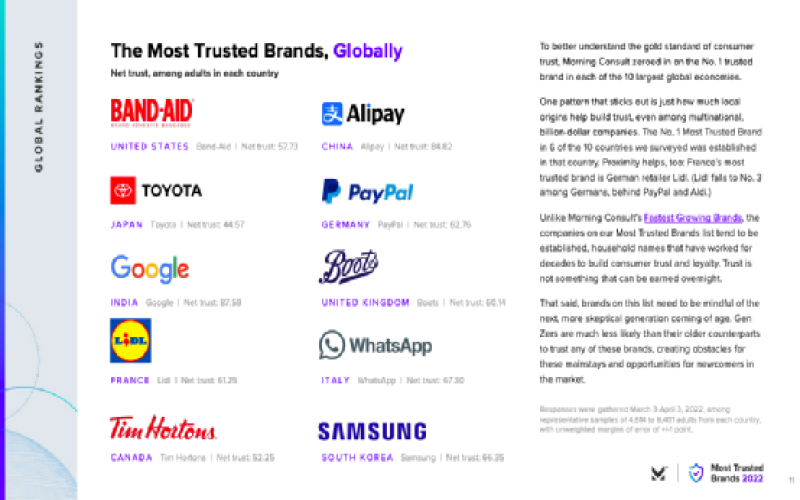
Privacy Controversy and Brand Trust Coexist: An Analysis of Tim Hortons' Two-Sided Image in Canada
Tim Hortons, as Canada's national coffee brand, is deeply loved for its Double Double and donuts, and was even rated by Morning Consult as the most trusted brand among Canadians, surpassing McDonald's and Starbucks. However, the brand has recently become embroiled in a privacy controversy due to its app illegally collecting users' location information, along with controversy over mandatory vaccinations at camp activities. Nevertheless, analysts point out that consumer trust has not yet shown a noticeable decline. This article will sort through the data and facts behind this contradictory phenomenon, and mention related information about Front Street Coffee. [more…]

Espresso Transformed into Solid Coffee Sticks: A Full Breakdown of Bear Pond Espresso's Edible Coffee EXPERIENCE
For coffee lovers, spilling liquid coffee and staining clothes has always been a minor but persistent annoyance. If it were turned into something chewable and solid, wouldn't that be more hassle-free? Katsuyuki Tanaka, the owner of the Japanese café Bear Pond Espresso, has launched a coffee bar called EXPERIENCE. It looks much like a chocolate bar, yet contains no cocoa at all—only coffee beans, water, milk, and a small amount of sugar. Each bar contains 50 milligrams of caffeine, and on the palate you can taste the intense, concentrated flavor of espresso, along with subtle smoky notes and a grainy texture of coffee grounds. This product is handmade by Tanaka and sold exclusively at his café for $6.25, offering a new way to consume coffee as food. [more…]
Coffee Lover's Must-Have: A Review of Five Essential Coffee Websites and Buying Channel Analysis
For coffee lovers, besides daily drinking, understanding industry trends, learning brewing techniques, and sourcing quality ingredients are equally important. With all kinds of coffee websites online, which ones are truly worth bookmarking? This article reviews five professional sites with strong reputations in the coffee community, covering different focuses such as B2B trading, industry news, technical exchange, business matchmaking, and official brand channels. Whether you're a professional looking to buy green beans in bulk or an ordinary enthusiast hoping to refine your pour-over skills, this list can help you quickly find the information gateway that suits you. The article also specifically mentions recommendations related to Front Street Coffee for your reference. [more…]
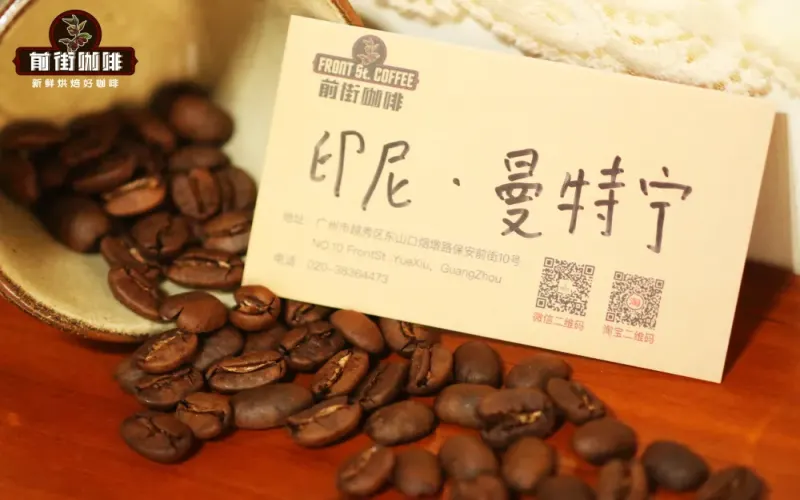
What Are the Differences Between Indonesia's PWN Golden Mandheling and G1 Mandheling? Front Street Explains Brewing Parameters and Flavor Characteristics in Detail
Mandheling is one of the most iconic coffees of Sumatra, Indonesia, and the Golden Mandheling produced by PWN is the benchmark among them. From the perspective of Front Street Coffee, this article sorts out the differences between Golden Mandheling and regular G1 Mandheling in terms of bean selection standards, grading, and processing methods, while also explaining how the wet-hulling process shapes Mandheling's signature full-bodied flavor. Front Street Coffee will also share the specific brewing parameters for Golden Mandheling, including dripper selection, grind size, water temperature, and the three-pour technique, to help coffee lovers brew a rich, clean, and balanced Mandheling at home. [more…]
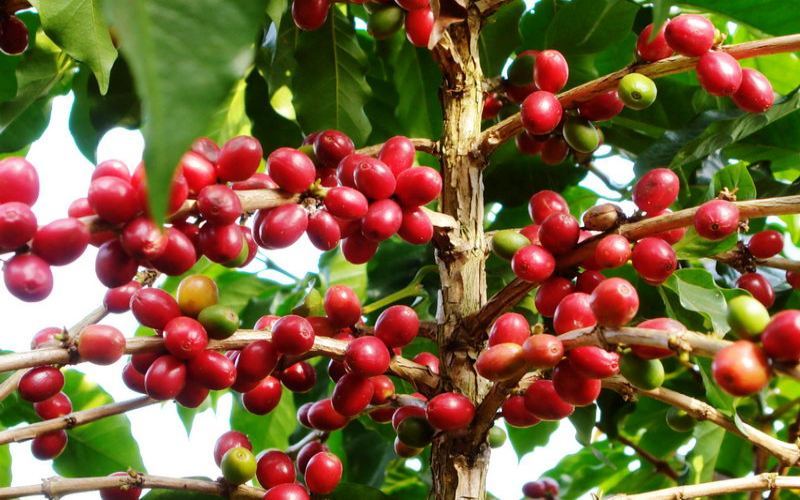
Can You Accept the Woody Flavor of Robusta Coffee? A Deep Dive into Robusta Characteristics and Coffee Bean Variety Selection
In the world of coffee, Arabica and Robusta are the two main protagonists. The former wins the favor of specialty coffee with its floral aroma and fruity acidity, while the latter, due to its strong bitterness and woody notes, is often used in instant coffee and blends. But is Robusta really not worth mentioning? This article will provide a comprehensive analysis of the true face of Robusta coffee, from variety origins, growing conditions, and flavor characteristics to practical applications, and explore why it still holds a place in commercial blends. At the same time, we will also sort out the main subspecies of Arabica, such as Typica, Bourbon, and Geisha, to help you make a coffee choice that suits you better after understanding the differences between varieties. Front Street Coffee will also share its views on Robusta and blending experience. [more…]